
⚡ The Lightning Summary
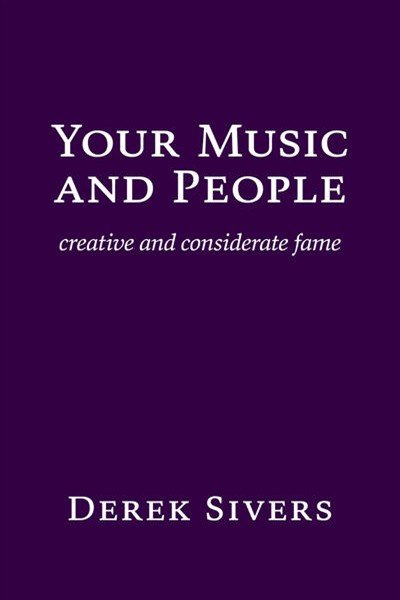
Marketing is not separate from your art, it’s the final creative extension of it. Success comes from being considerate, building genuine relationships, and making your music valuable to others. Stop waiting for permission from the industry. Be resourceful, stay in touch with everyone you meet, and treat promotion as creatively as you treat your music. The difference between success and failure is often as simple as keeping in touch and doing what excites you.
⭐ The One Thing
The one thing this book taught me: Marketing is just being considerate. Everything that seems like “business” or “promotion” is really about looking at things from other people’s point of view and doing what’s best for them. When you shift your mindset from “how can I get people to listen to my music?” to “how can I be valuable and considerate to others?”, everything changes. Success in music is not about gaming the system or following formulas. It’s about genuine human connection, solving problems for others, and having the courage to be remarkably different.
💭 First Impressions
The shift from “marketing is evil” to “marketing is considerate” was revolutionary—it completely reframes promotion as an extension of artistry rather than a betrayal of it. Some advice feels contradictory (be yourself vs. be an extreme character) but the nuance is actually helpful, acknowledging that different approaches work for different people. The emphasis on relationships over tactics was refreshing; most music business books focus on platforms and strategies, but this focuses on human connection.
🔑 Key Concepts
-
Marketing as Creative Extension: Your art doesn’t end at the edge of the canvas. How you present, communicate and distribute your music is just as creative as writing the song itself. Marketing is the final layer of your artistic vision. Be as creative with promotion as you are with composition. Your packaging, communication style, release strategy and fan interactions should all reflect your artistic identity.
-
Be Considerate, Not Promotional: Real marketing is about making it easy for people to notice you, relate to you, remember you and tell friends about you. It’s about listening for what people need and creating something surprisingly tailored for them. Stop thinking of marketing as advertising or spam. Instead, think of it as thoughtful communication that respects people’s time and attention.
-
Relationships Are Everything: All opportunities come from people you know. Every breakthrough in your career will come from someone in your network. The music industry isn’t a machine, it’s people. Cool, approachable people just like you. Keep in touch with everyone using a systematic approach (A-list every 3 weeks, B-list every 2 months, C-list every 6 months). The number of people you genuinely know will determine your success.
-
Be Remarkably Unusual: Success now comes from being extremely different, not mainstream. Aim for the edges, not the center. The middle of the target has been cut out. Proudly exclude 99% of people to attract your true 1%. Own a specific niche so completely that people can’t imagine that niche without you. You need to be sharp as a knife to cut through apathy.
-
Resourcefulness Over Resources: Don’t impress people with how much you spend, impress them with how little you spend. Being profitable and sustainable matters more than being impressive. The “I figured out a way” mindset beats the “there’s no way” mindset every time. Never wait for permission or help. Assume nobody is going to help you, which paradoxically makes you more likely to succeed.
🧠 Mental Models & Frameworks
-
The Two-Plan Strategy: Use this for career planning as a creative. Make one plan that depends on nobody else (no record deal, no investors, sustainable but potentially slow growth). Make another plan that uses the music industry (build your team, pursue deals, find investors). Pursue both simultaneously. This gives you negotiating power because you don’t need anyone’s help, which ironically makes you a better investment.
-
The Starting Line vs. Finish Line Test: Use this when evaluating your commitment and predicting success. Ask yourself whether releasing your music is the starting line (you’ll work it, promote it, push it daily) or the finish line (you’re done, satisfied with completion). This single distinction predicts whether you’ll earn $5,000+ or $20. It’s not about talent, it’s about approach.
-
The Curiosity Description Framework: Use this when describing your work, yourself or any creative project. Create one interesting sentence with the sole goal of making people curious. Not explaining everything, not justifying your existence, just sparking interest. “Hillbilly flamenco” instead of “acoustic guitar with Latin influences.” The description should make people pause and think “I have to hear this.”
-
The Value Compass: Use this for daily decision-making about what to work on. Your gut has a compass pointing two directions: what excites you and what drains you. Whatever excites you, go do it. Whatever drains you, stop doing it. Ignore advice that drains you, no matter how smart the advisor. Nothing is worth losing your enthusiasm.
-
The Solicitation Filter: Use this when trying to get through gatekeepers and reach influential people. Companies exist to profit from existing artists, not to find new music. Unsolicited submissions get ignored. But when a trusted insider (manager, lawyer, producer, agent) recommends someone, it gets a real listen. So instead of submitting music to companies, build relationships with the insiders who can solicit on your behalf.
💬 My Favorite Quotes
Marketing just means being considerate. Focus on others. See yourself from their point of view.
People send business to people they like. It’s all more personal than I had expected.
You have to make your own success first, before you ask the industry for help. Show that you’re going to be successful without their help.
🙋 Who Should Read It?
-
Independent musicians who feel stuck between their art and the need to promote it, artists taught that marketing is separate from creativity who create in isolation wondering why nobody pays attention, or musicians who released music with minimal results.
-
People intimidated by networking who know connections matter but don’t know how to systematically build relationships, creatives struggling with the “starving artist” mindset who are talented but broke, or artists waiting for industry validation sensing that might never happen.
-
Musicians about to give up because the business side feels overwhelming, or anyone told “you need to market yourself” but with no idea what that actually means in practice.
🔗 Additional Resources
Books Cited or Related:
- “How to Win Friends and Influence People” by Dale Carnegie – The classic on people skills and listening
- “Purple Cow” by Seth Godin – On being remarkable instead of safe
- “Anything You Want” by Derek Sivers – His other book about building CD Baby
Complementary Frameworks:
- The concept of “1,000 True Fans” by Kevin Kelly – Complements the niche targeting advice
- Austin Kleon’s “Show Your Work” – On sharing your creative process
- Seth Godin’s “Permission Marketing” – On earning attention rather than buying it
- Cal Newport’s “Deep Work” – Balances the networking intensity with focused creation time
Tools and Methodologies:
- CRM systems for relationship management (Cloze, Monica)
- The A/B/C/D list system for contact prioritization
- Database management for musicians
- Systematic follow-up schedules